


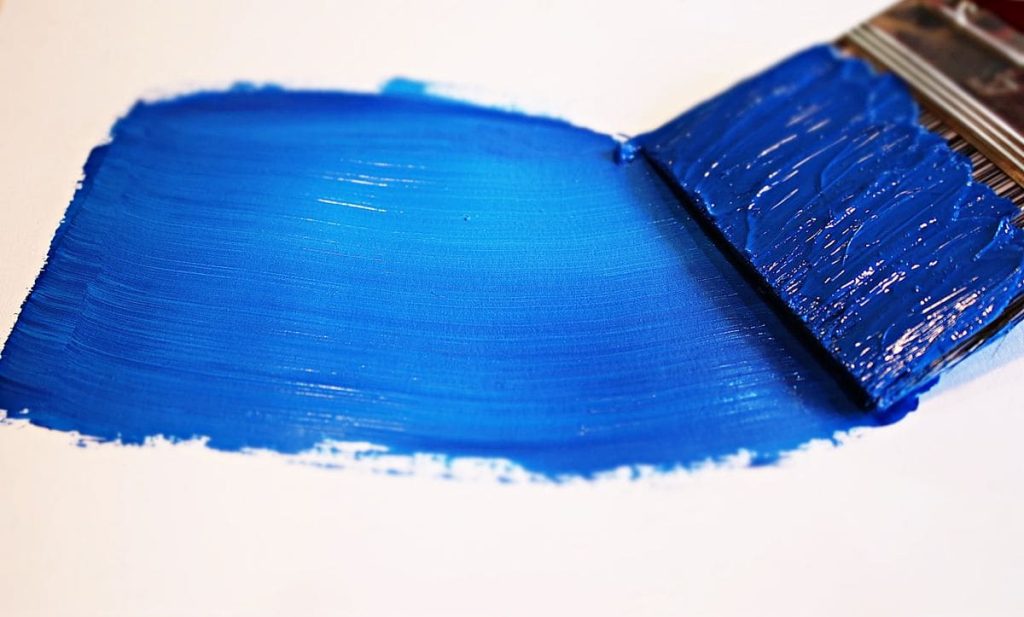
If you’re wondering what colors make blue, the most important thing to know is that blue is a primary color in traditional color theory, and you can mix blue with other colors to create a wide range of lighter, darker, warmer, and cooler shades.
1. What Colors Make Blue?
Here’s the short answer: you can’t actually make pure blue by mixing other paint colors.
In the traditional RYB (red-yellow-blue) color model that most of us learned in art class, blue is a primary color, sitting alongside red and yellow. Primary colors are the foundational building blocks of that system. They’re not created by mixing anything else; instead, they’re what you mix together to create every other color.
So asking “what colors make blue” in paint is a bit like asking what ingredients make flour, as it’s already the starting ingredient.


Now, blue behaves completely differently depending on the color model you’re working in.
- In RGB (the light-based model used in screens), blue is also primary. In fact, it’s one of the three colors of light that combine to create every color you see on a monitor.
- In CMYK (the four-color printing model), blue isn’t primary at all. It’s actually created by mixing cyan and magenta ink together.
2. Basic Rules for Mixing Blue Shades
Once you have your base blue mixed up, you can easily tweak it to get the exact shade you want.

How to Make Blue Lighter
If you’re after a soft sky blue or that pretty baby blue, just add a little white to your blue paint. This is called making a tint, and it basically lightens things up.
Go slow and add the white bit by bit, mixing as you go, until you get that perfect airy, pastel blue you’re looking for.
How to Make Blue Darker
If you want a deep navy or that moody midnight blue, you have a couple of options. You can add a little black, but be careful as black darkens fast and can make your blue look a bit flat.
Add just a tiny bit of orange instead. It’s blue’s opposite on the color wheel, and it darkens the blue while keeping it rich and interesting.
Still, just go slow and add a little at a time until you get the shade you want.
How to Make Blue More Muted
You can tone it down by mixing in some gray, or even a tiny bit of its opposite color if your blue is looking a little too bright or bold.
This will make your blue feel softer and more muted, without making it darker. You can use these dustier blues for backgrounds or when you want something a little more subtle.
How to Create Warm and Cool Blues
It’s actually really easy to change the feel of your blue.
If you want it warmer, just add a tiny bit of red, and you’ll get a pretty violet-blue.
If you want it cooler, add a little green, and you’ll end up with a nice teal shade.
>>> Read more: What Colors Make Brown? The Best Color Mixing Guide for Any Shade
3. Blue Mixing Recipes for Popular Shades
Let’s get practical. Here are some tried-and-true starting points for popular blue shades. Think of these as base recipes you can adjust to taste.

Dark Blue Family
- For navy blue, what colors make navy blue? Start with blue and add a small amount of black, plus a tiny touch of red to keep it from turning muddy.
- For midnight blue, use blue as your base and add a touch of black along with a whisper of purple. This gives you that deep, almost-nighttime richness without losing the blue identity entirely.
- For indigo, combine blue with a small amount of red and a touch of black. The red pulls it toward violet, while the black adds depth, landing you in that classic denim-adjacent shade.
Bright and Vibrant Blue Family
- For cobalt blue, what two colors make cobalt blue? Use a pure blue base and add a hint of white to lift the vibrancy slightly, keeping saturation high. Avoid black entirely here. It’ll dull the punch you’re going for.
- For cerulean, mix blue with a small amount of white and a touch of green. This nudges it toward that clear, sky-meets-ocean brightness.
- For electric blue, keep your blue as saturated as possible and add just a touch of white – no gray, no black. The goal is maximum vibrancy with minimal dilution.
Soft and Natural Blue Family
- For powder blue, add a generous amount of white to your blue base, plus the tiniest touch of gray to soften the pastel edge.
- For dusty blue, mix blue with white and a bit of gray or a hint of its complementary orange. This mutes the color into something calm and weathered-looking.
- For slate blue, combine blue with a touch of gray and a small amount of purple, creating that soft, sophisticated, storm-cloud shade perfect for interiors.
4. Why Doesn’t Your Blue Look Right? (Troubleshooting Guide)
Here’s how to diagnose the most common issues.
Why Your Blue Looks Purple?
This usually comes down to too much red sneaking into the mix. Red pulls blue toward violet almost immediately, so even a small excess tips the balance.
It can also happen if your “blue” paint already has a red undertone (some blues do). Fix it by adding more of your base blue, or a touch of yellow to pull it back toward true blue.
Why Your Blue Looks Gray or Muddy?
Muddiness happens when you’ve accidentally mixed in complementary colors without meaning to, or added too much black.
Complementary colors cancel each other’s vibrancy out, and black flattens everything it touches. Start with less black next time, and lean on darker blues or purple for depth instead.
Why Your Blue Looks Too Pale?
You’ve likely overdone the white. Since white is such a strong tinting agent, it’s easy to add more than intended. The fix is simple: mix in more of your base blue to reconcentrate the pigment and restore intensity.
>>> Read more: 11 Back to School Activities to Make the First Weeks Fun and Memorable
5. FAQs
Why is blue considered a primary color?
In the RYB paint model, blue is a primary color because it cannot be made by mixing other colors. Blue is a base hue used to create secondary colors such as green and orange.
Do red and green make blue?
No. When mixed, red and green usually produce a brown or gray color. They do not create blue.
Do green and yellow make blue?
No. Green and yellow do not contain blue pigment. Mixing these colors results in a yellow-green shade.
What two colors make blue?
In traditional paint mixing, blue is a primary color and cannot be created by combining other colors. In CMYK printing, blue is produced by mixing cyan and magenta inks.
What colors make navy blue?
To make navy blue, mix blue with a small amount of black. Adding a small amount of red can help maintain a rich, deep color.
Conclusion
Many paint stores, art supply shops, and online color guides can help with choosing the right blue pigment or paint for your project.
In this situation, what colors make blue? Remember that blue is a primary color, so you cannot make a true blue by mixing other colors. Instead, adjust an existing blue with white, black, green, purple, or other colors to create the exact shade you want.
Read more in other articles for more practical lifestyle tips and ideas.