

Why Is My Hotspot Slow? 10 Reasons It’s Happening and How to Speed It Up
- Share This:
-


-

-

-

-

-

-

-


Your hotspot connects successfully, but webpages load slowly, video calls freeze, and downloads take much longer than expected. Whether you’re working remotely, attending online classes, or traveling, a slow connection can quickly become frustrating.
If you’ve been asking, why is my hotspot slow, the cause could range from weak cellular coverage and network congestion to your device settings or mobile plan. Understanding what affects hotspot performance is the first step toward improving your connection.
1. Why Is My Hotspot Slow?
If you’re asking why is my hotspot so slow, there usually isn’t a single cause. Hotspot performance depends on your cellular signal, the number of connected devices, network traffic, and the limits of your mobile plan.
Identifying which factor is affecting your connection is the fastest way to improve your speeds.
Weak Cellular Signal
Your hotspot can only be as fast as your phone’s cellular connection.
If you’re in an area with poor 4G LTE or 5G coverage, inside a large building, or far from the nearest cell tower, your hotspot speed may slow significantly. Moving closer to a window or going outdoors often improves signal strength and connection quality.

Too Many Connected Devices
Every device connected to your hotspot shares the same mobile data connection.
If multiple laptops, tablets, gaming consoles, or phones are connected at the same time, they’ll compete for the available bandwidth. As more devices begin streaming videos, downloading files, or joining video calls, each device receives a smaller share of the connection.
Network Congestion
Even with a strong signal, hotspot performance may slow during busy times of the day.
When many people in the same area are using the cellular network simultaneously, your carrier may experience congestion that reduces overall speeds. This is especially common in airports, stadiums, concerts, shopping centers, and other crowded locations.
Data Throttling by Your Carrier
Many carriers include a separate hotspot data allowance with their plans.
After you’ve used your monthly high-speed hotspot data, your carrier may reduce your hotspot speed for the rest of the billing cycle. In some cases, your phone’s regular mobile data may continue working at normal speeds while only the hotspot connection is throttled.
2. How to Make Your Hotspot Faster
If you’re wondering why is my phone hotspot so slow, a few simple adjustments can often improve your connection without changing your phone or carrier.
Move to an Area With Better Signal
Signal strength has a direct impact on hotspot performance.
Try moving closer to a window, stepping outside, or changing locations if you’re inside a large building. Even a short distance can improve your cellular reception and increase hotspot speeds.
Disconnect Unused Devices
Every connected device uses part of your available bandwidth, even when you’re not actively using it.
Disconnect laptops, tablets, or other phones that no longer need internet access so the remaining devices can use more of the available connection.
Restart Your Phone and Connected Devices
Temporary software or network issues can slow hotspot performance.
Restart your phone first, then restart the laptop, tablet, or other device using the hotspot. This refreshes both connections and often resolves temporary performance problems.
Change Your Network Band or Hotspot Settings
Some phones allow you to switch between different hotspot frequency bands, such as 2.4 GHz and 5 GHz.
- 2.4 GHz offers better range but may experience more interference.
- 5 GHz typically provides faster speeds over shorter distances.
If your device supports both options, trying a different band may improve hotspot performance depending on your environment.

3. Is Your Phone or Laptop Causing the Problem?
A slow hotspot isn’t always caused by your cellular network. Sometimes the connected device is responsible for the reduced performance.
Device Performance Issues
Older laptops, tablets, or smartphones may struggle to process modern websites, video streams, or large downloads, making the connection appear slower than it actually is.
If possible, connect another device to your hotspot. If the second device performs normally, the issue is likely with the original device rather than the hotspot itself.
Background Apps and Downloads
Many devices continue using internet bandwidth in the background without obvious signs.
Operating system updates, cloud backups, file synchronization, streaming services, and antivirus updates can consume a large amount of bandwidth, leaving less available for the task you’re actively trying to complete.
Closing unnecessary applications or pausing background downloads can noticeably improve hotspot performance.
Outdated Software or Network Drivers
Outdated software can affect how efficiently your phone or laptop communicates with wireless networks.
Install the latest iOS, Android, Windows, or macOS updates, and if you’re using a Windows laptop, check for updated Wi-Fi drivers from the device manufacturer. Keeping your software current can improve both stability and hotspot performance.
4. When Your Mobile Plan Is Slowing You Down
After you’ve checked your signal strength and device settings, it’s worth looking at your wireless plan. Many people asking why is my mobile hotspot so slow discover that the issue isn’t their phone at all, but the amount of hotspot data included with their plan.
Hotspot Data Limits
Many wireless plans include a separate allowance for high-speed hotspot data.
Once you reach that limit, your carrier may reduce hotspot speeds for the rest of your billing cycle. This can make activities such as HD video streaming, video conferencing, and large downloads noticeably slower, even though your hotspot continues to work.
Review your carrier’s plan details to see whether you’ve reached your monthly hotspot allowance.
Premium Data vs Hotspot Data
Premium mobile data and hotspot data aren’t always the same.
Some carriers allow unlimited premium data directly on your phone while limiting the amount of high-speed data you can share through Personal Hotspot. As a result, websites may load quickly on your phone but much more slowly on a connected laptop or tablet.
Understanding this difference can help explain why only your hotspot performance is affected.
Choosing a Plan With More High-Speed Hotspot Data
If you regularly work remotely, attend online classes, or travel, your hotspot usage may simply exceed what your current plan was designed to handle.
When comparing plans, look beyond the advertised “unlimited data” label and check:
- Whether hotspot access is included.
- How much high-speed hotspot data is provided.
- What happens after you reach the monthly limit.
- Whether additional hotspot data is available if needed.
>>> Read more: Why Is My Hotspot Not Working? Common Causes and Proven Fixes
5. Get More Out of Your Mobile Hotspot Without Overspending
When people search why is my hotspot so slow, they often focus on their phone or signal strength. However, connection speed can also be limited by the amount of high-speed hotspot data included with their wireless plan.
Before upgrading to a new device, check whether your current plan is the real bottleneck. A plan with a larger high-speed data allowance may provide a noticeable improvement, especially if you regularly use your hotspot for remote work, online classes, or streaming.
The Lifeline Program is a federal assistance program that helps eligible households reduce the cost of monthly phone service.
Through participating providers such as AirTalk Wireless, qualified customers can choose from several plan options with different monthly data allowances, making it easier to find one that matches their hotspot usage without paying for a traditional wireless plan.

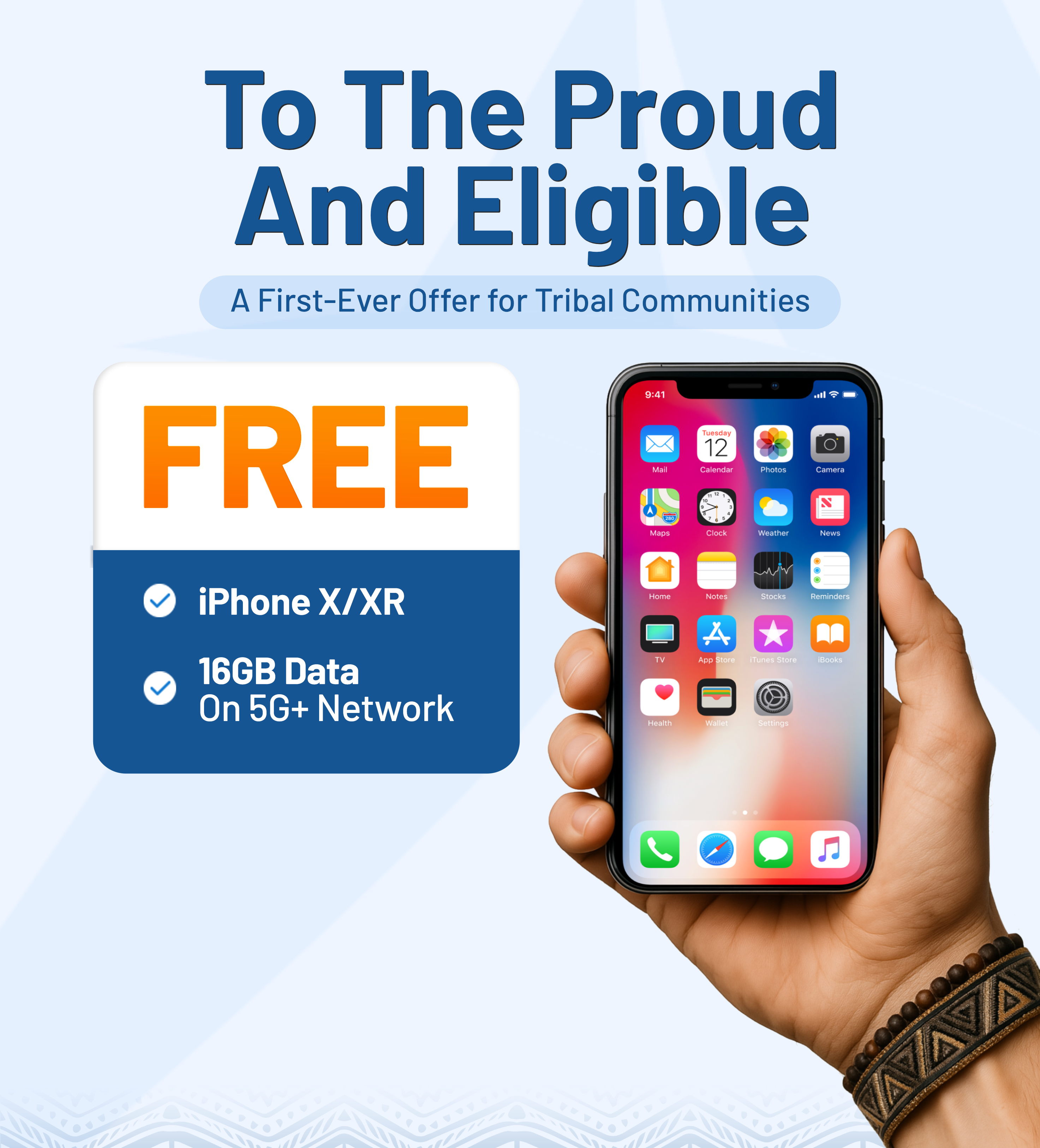
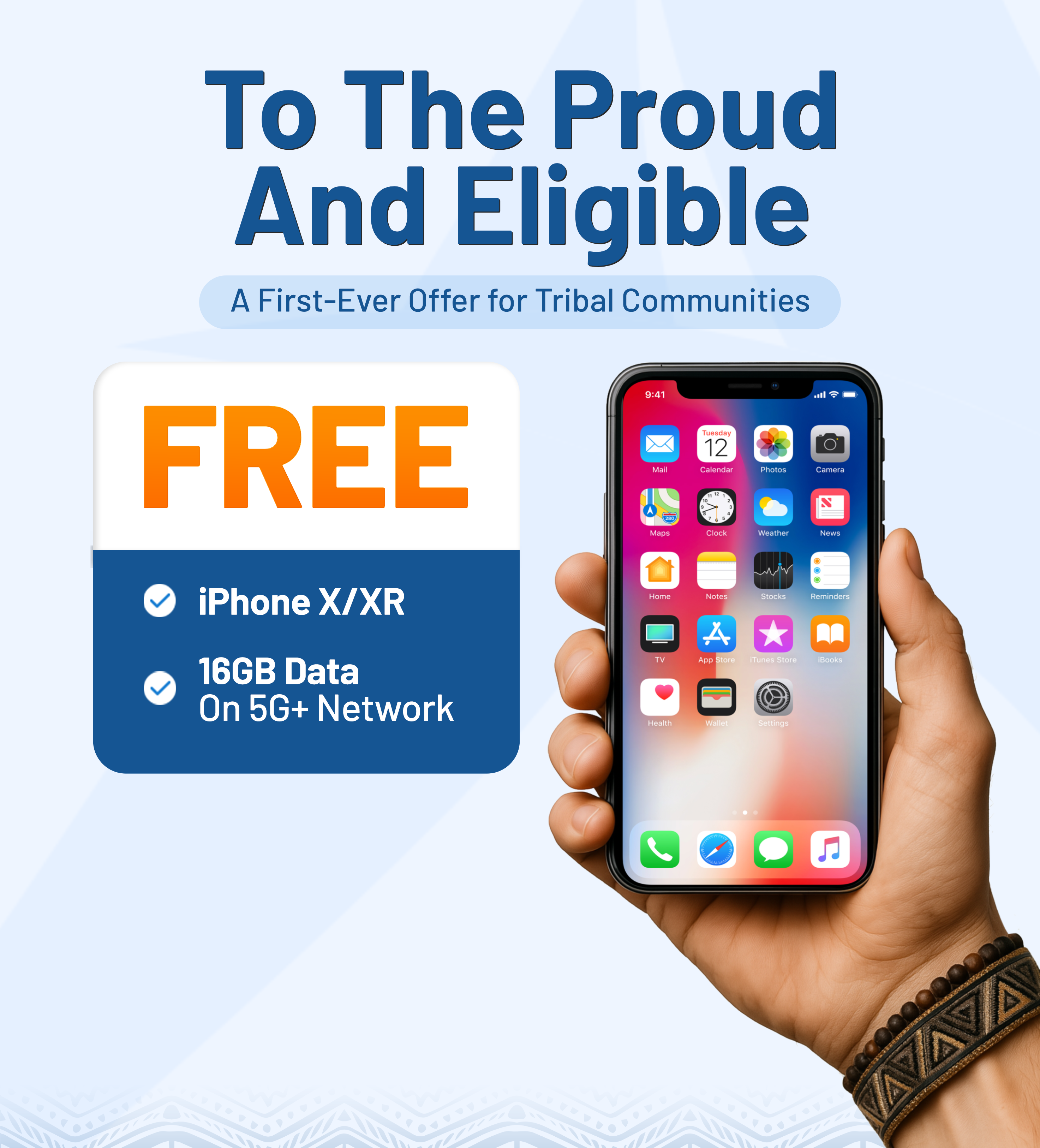
Depending on your eligibility, state, and the plan you select, you may also qualify for a free or low-cost smartphone. Choosing a plan with enough high-speed data is often one of the simplest ways to improve your hotspot experience throughout the month.
Note: AirTalk Wireless operates under the federal Lifeline Program as an Eligible Telecommunications Carrier (ETC). Eligibility varies by state and program. Offers depend on availability and qualifications. Service is non-transferable and limited to one service per household.
Conclusion
If you’re still wondering why is my hotspot slow, the answer often lies in a combination of your cellular signal, connected devices, carrier policies, and mobile plan.
Working through each possible cause step by step can help you identify the issue, improve your hotspot speed, and make your connection more reliable whenever you need internet away from Wi-Fi.
- Share This:
-
-
-
-
-
-
-
-
New on AirTalk Wireless


