

Family Planning Medicaid – Free Reproductive Health Coverage You Should Know About
- Share This:
-


-

-

-

-

-

-

-


Access to reproductive healthcare plays a critical role in personal well-being, family stability, and long-term health outcomes. For many low-income individuals, Family Planning Medicaid offers essential services at little or no cost, even for those who do not qualify for full Medicaid coverage.
This guide explains how family planning Medicaid works, who qualifies, what services are covered, and how eligibility may also unlock extra benefits like free phone and internet access.
1. What Is Family Planning Medicaid and Why Does It Matter?
Family planning Medicaid is a Medicaid program or waiver that provides limited but vital reproductive and preventive healthcare services to eligible individuals. Unlike full Medicaid, this coverage focuses specifically on family planning and related health services.
So, what is family planning Medicaid in practical terms? It is a safety-net program designed to:
- Prevent unintended pregnancies
- Improve maternal and reproductive health
- Provide early access to preventive care
Many states operate Family Planning Medicaid through Section 1115 or Section 1902 Medicaid waivers, allowing coverage for individuals with incomes above standard Medicaid limits but still below a state-defined threshold. Because coverage is preventive in nature, it often costs states less while improving public health outcomes.
For individuals who are uninsured or underinsured, family planning Medicaid can be the first and most accessible point of entry into the healthcare system.
2. Who Is Eligible for Family Planning Medicaid?

Eligibility rules for family planning Medicaid vary slightly by state, but most programs share common criteria.
In general, you may qualify if you:
- Are of reproductive age
- Meet state income requirements
- Are a resident of the state where you apply
- Are a U.S. citizen or qualified non-citizen
Importantly, pregnancy is not required to qualify. Many states extend family planning Medicaid coverage to individuals who:
- Do not qualify for full Medicaid
- Lost pregnancy-related Medicaid after postpartum coverage ends
- Are uninsured and need contraceptive or preventive services
Because eligibility thresholds differ, applicants should always verify details through their state Medicaid agency before applying.
3. What Does Family Planning Medicaid Cover?
Understanding what does family planning Medicaid cover helps applicants know exactly what care they can expect. While coverage is limited compared to full Medicaid, it focuses on high-impact preventive and reproductive services.
Commonly covered services include:
- Birth control methods (pills, patches, injections, IUDs, implants)
- Family planning counseling and education
- Annual wellness and preventive exams
- Sexually transmitted infection (STI) testing and treatment
- Cervical cancer screenings (Pap tests)
- Limited lab services related to family planning
In some states, family plan Medicaid may also cover:
- Follow-up visits related to contraception
- Preconception health counseling
- Referrals for additional care
It’s important to note that services unrelated to reproductive health, such as hospital stays or treatment for chronic illnesses, are usually not covered under this program.
>>> Read more: Medicaid Dentist Near Me: Covered Dental Care and Extra Benefits You May Qualify For
4. How to Apply for Family Planning Medicaid
Applying for family planning Medicaid is typically straightforward and can often be completed online.
Step 1: Check your state Medicaid website
Each state publishes eligibility rules, income limits, and covered services for Family Planning Medicaid. This is the most accurate starting point.
Step 2: Submit an application
You can usually apply:
- Online through your state Medicaid portal
- By mail using a printed application
- In person at a local Medicaid or social services office
Step 3: Provide required documentation
Applicants may need to submit:
- Proof of income
- Proof of residency
- Identification or immigration documents
Approval decisions for family plan Medicaid are often faster than full Medicaid because coverage is limited in scope.
5. How Medicaid Eligibility Can Help You Get a Free Phone and Internet Access
Many people don’t realize that qualifying for Medicaid may also make them eligible for federal connectivity programs. Medicaid is considered a “qualifying program” under the federal Lifeline benefit.
This means that eligible individuals may receive benefits through approved-provider:
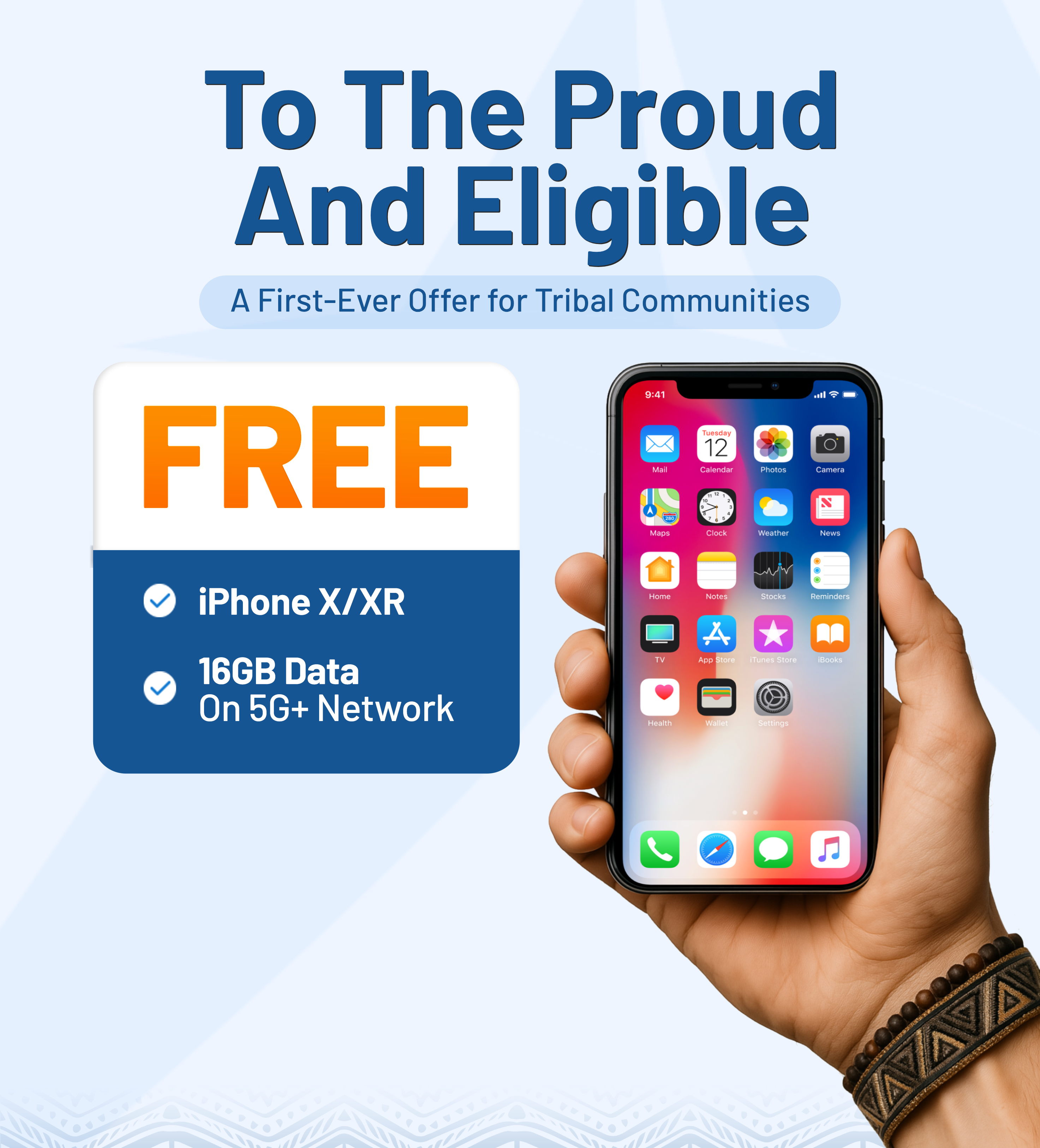
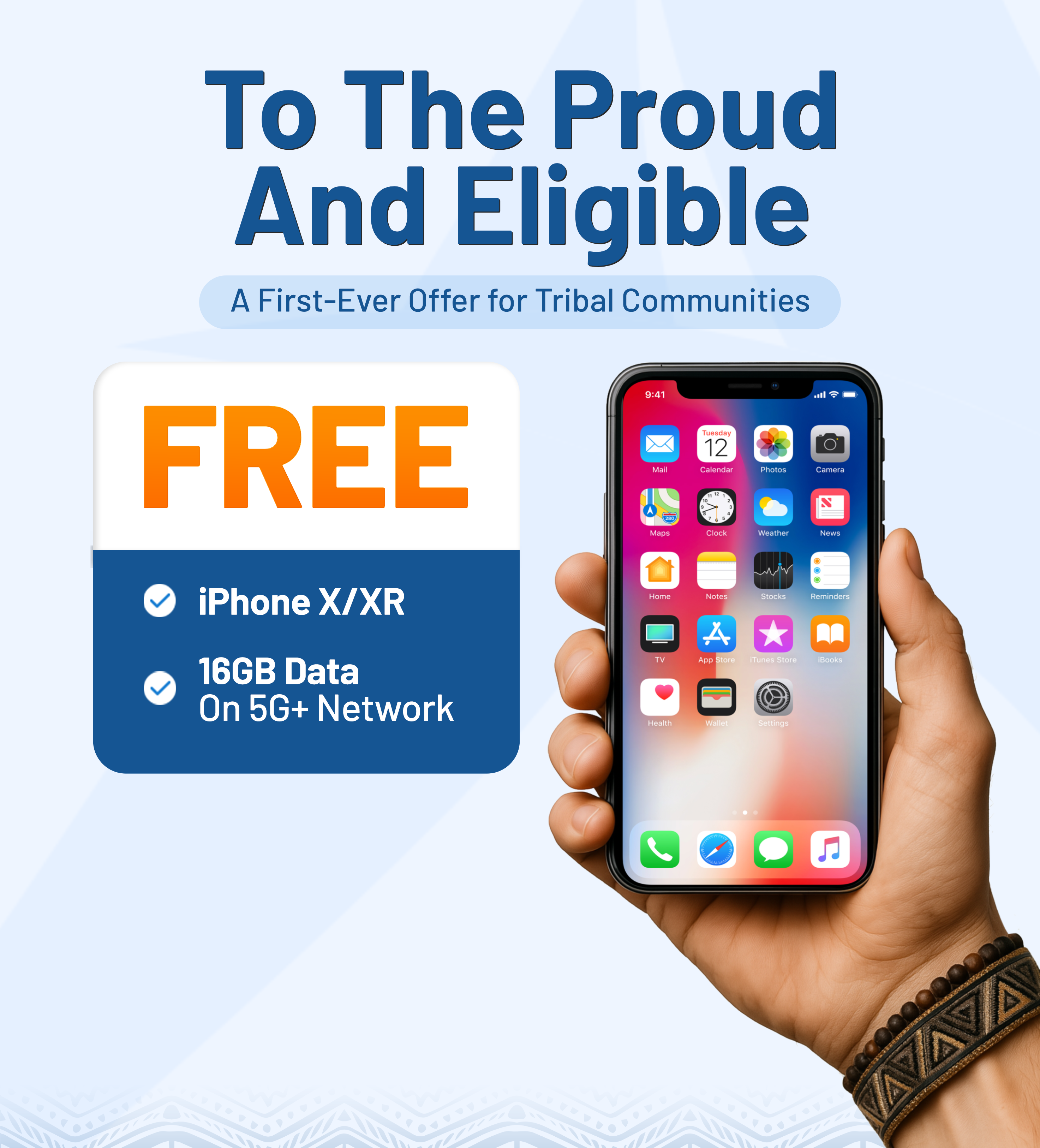
- A free phone with Medicaid
- Discounted or free monthly wireless service
- Reduced-cost internet access in participating states
Reliable phone and internet access is especially important for managing healthcare, scheduling appointments, receiving reminders, accessing telehealth services, and staying informed about benefits.
For individuals using Medicaid, these connectivity benefits help remove another barrier to consistent care.
6. AirTalk Wireless and Lifeline: Staying Connected While Managing Your Health
AirTalk Wireless is a Lifeline-approved provider that helps eligible individuals remain connected at no cost or very low cost. If you qualify for Medicaid, you may also qualify for Lifeline through Medicaid eligibility.
Through programs like Lifeline, AirTalk Wireless may offer:
- A free smartphone (model availability varies)
- Unlimited talk and text plans
- Monthly data allowances
- No contracts or hidden fees
Having access to a free phone with Medicaid is particularly valuable for people managing reproductive health, as it allows:
- Easy communication with clinics
- Access to patient portals and health apps
- Participation in telehealth consultations when available
By combining Medicaid with Lifeline-supported connectivity, individuals can manage their health more consistently and independently.

Final Thoughts
Family planning Medicaid is a powerful yet often overlooked healthcare resource. It provides free or low-cost access to essential reproductive services, even for individuals who don’t qualify for full Medicaid coverage.
If you’re unsure about eligibility, start by checking your state Medicaid website. Understanding your options could lead to better health outcomes, and fewer financial barriers, today and in the future.
- Share This:
-
-
-
-
-
-
-
-
New on AirTalk Wireless


