

Low Income Apartments Miami: Proven Ways to Find Housing That Fits Your Income
- Share This:
-


-

-

-

-

-

-

-


Low income apartments Miami are income-restricted housing options designed to help renters afford living in one of the most expensive rental markets in Florida. Rising rents, limited affordable supply, and strong population growth have made these apartments increasingly difficult to secure.
Many renters struggle not because they are ineligible, but because they do not understand where to look or how the application process works. This guide explains why affordable housing is so competitive in Miami, what options are available, and how renters can approach the process more effectively.
1. Why Finding Low Income Apartments in Miami Is Especially Challenging
Miami has one of the most competitive rental markets in Florida, driven by population growth, tourism-related employment, and limited land for new development. Market rents have increased faster than income for many households, especially in neighborhoods close to transit, jobs, and essential services.

At the same time, the supply of affordable and income-restricted housing has not kept pace with demand. Many programs operate with fixed funding and limited unit availability, resulting in long waiting lists and short application windows.
Another challenge is information access. Application periods often open without long notice, and renters who are not actively monitoring housing sources may miss opportunities entirely. These factors make finding low income apartments in Miami particularly difficult, even for households that meet income requirements.
2. Types of Low Income Apartments Available in Miami
Low income apartments in Miami are offered through several housing models, each with different eligibility rules and application processes.
Public housing is owned and managed by local housing authorities. Rent is typically based on household income, making these units more affordable than market-rate apartments. Availability is limited, and waiting lists are common.
Voucher-based housing programs help qualified renters use assistance toward approved private apartments. While vouchers provide flexibility, renters must still find participating landlords, which can extend the search timeline.
Income-restricted apartment communities are privately owned but operate under affordability programs. These apartments look similar to standard rentals but require tenants to meet income limits and complete periodic eligibility reviews.
3. Where Miami Residents Look for Low Income Apartments
Finding low income apartments in Miami usually requires checking multiple housing-specific sources rather than relying only on general rental platforms.
Local Housing Programs and Authorities
Local housing authorities and city housing departments manage public housing and administer affordable housing programs. Their websites provide information about application openings, waiting lists, and eligibility requirements.
Because enrollment periods may be limited, renters often need to check these sources regularly to stay informed.
Online Listings and Apartment Communities
Some income-restricted apartment communities list availability through property management websites or specialized housing listing platforms. These listings may not appear on large rental marketplaces.
Renters can also contact apartment communities directly to ask about income-restricted units, waiting lists, and upcoming availability. Proactive outreach often improves results.
4. How to Apply for Low Income Apartments in Miami
Applying for low income apartments in Miami is a structured process that often takes time. Understanding what is required at each stage helps renters avoid delays and missed opportunities.
Documents Typically Required
Most housing programs require applicants to submit documents that verify eligibility. These typically include proof of income for all household members, identification, and documents that confirm household size and residency.
Accurate and complete documentation is important. Missing or inconsistent information is one of the most common reasons applications are delayed or placed on hold.
How the Application Process Works
The application process for low income apartments in Miami usually follows these steps:
- Identify the housing program or property: Determine whether you are applying for public housing, voucher-based programs, or income-restricted apartment communities.
- Apply during open enrollment periods: Many programs only accept applications during specific windows or lotteries. Applications submitted outside these periods are not reviewed.
- Submit required documents with the application: Income, household, and residency information must match program requirements.
- Application review and eligibility screening: Housing providers review applications to confirm eligibility before adding applicants to a waiting list.
What Happens After You Submit an Application
After submission, most qualified applicants are placed on a waiting list rather than approved immediately. Waiting times can range from months to several years, depending on demand and funding.
Housing providers may contact applicants to verify information, request updates, or offer a unit when one becomes available. Failure to respond within the required timeframe can result in removal from the waiting list.
>>>> Also read: 2-Year Limit Proposed for HUD Housing Assistance (Section 8 Limit)
5. Why Reliable Communication Matters During the Housing Process
Reliable communication is essential throughout the housing application process. Housing authorities and property managers rely on phone calls to confirm eligibility, request documents, or notify applicants of available units.
These communications are often time-sensitive. If a renter cannot be reached, the opportunity may move to the next applicant on the waiting list. Long waiting periods increase the risk of missed communication, especially if contact information changes.
For renters applying for affordable housing in Miami, staying reachable helps ensure that applications remain active and that housing opportunities are not lost due to missed follow-ups.
6. Free Phone Options for Low-Income Miami Residents
For renters applying for affordable housing, phone access is a practical requirement throughout the process. When searching for low income apartments miami FL, applicants often face long waiting periods, follow-up reviews, and time-sensitive communication from housing offices.
Housing authorities and property managers commonly use phone calls to confirm eligibility, request missing documents, or notify applicants when a unit becomes available. If a renter cannot be reached within the required timeframe, the opportunity may be offered to another household on the waiting list.
How the Lifeline Program Supports Low-Income Households
The Lifeline program is a federal benefit that helps eligible low-income households stay connected by providing discounted phone or internet service. The program exists to support access to essential needs such as housing, employment, healthcare, and government services.
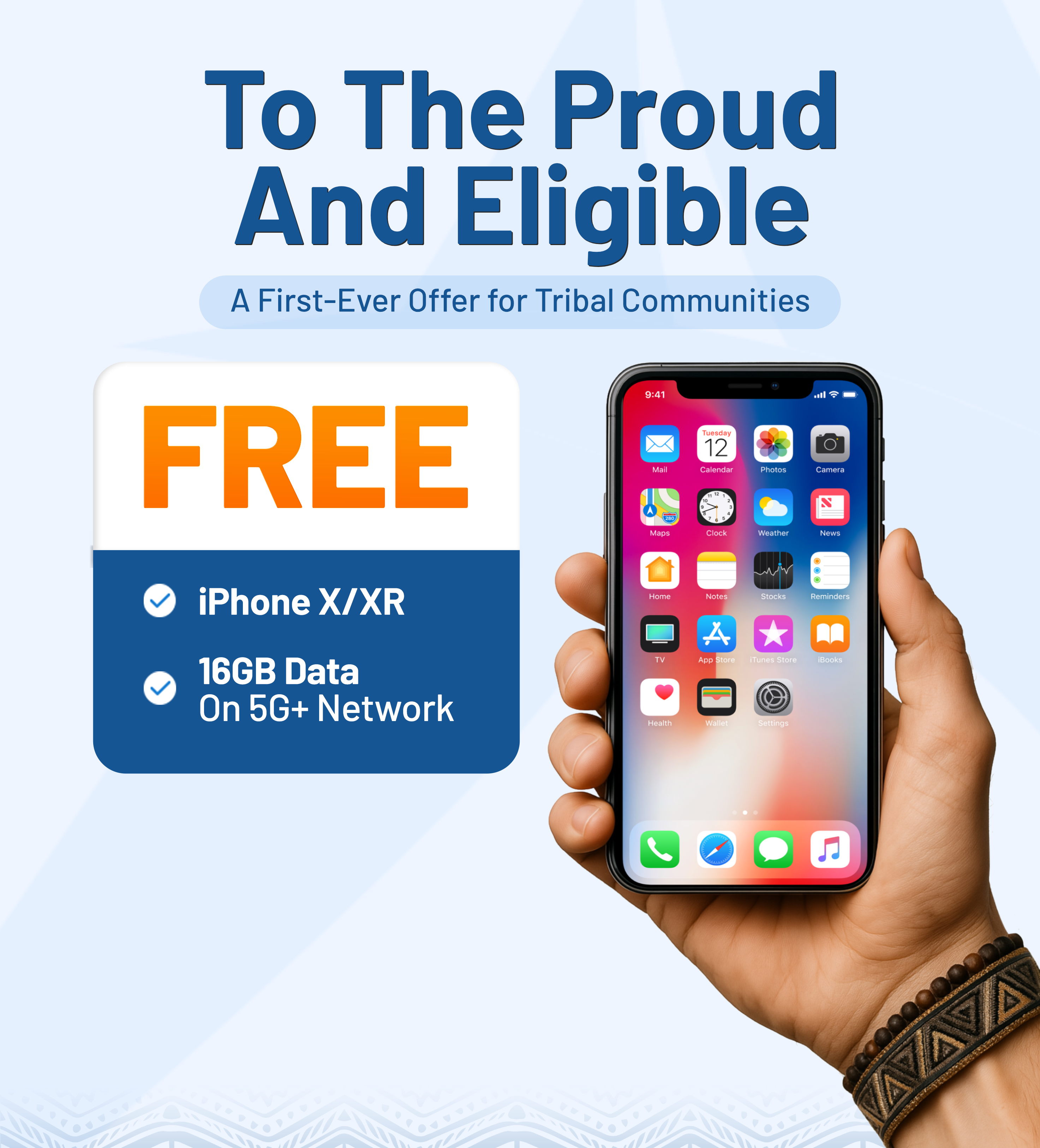
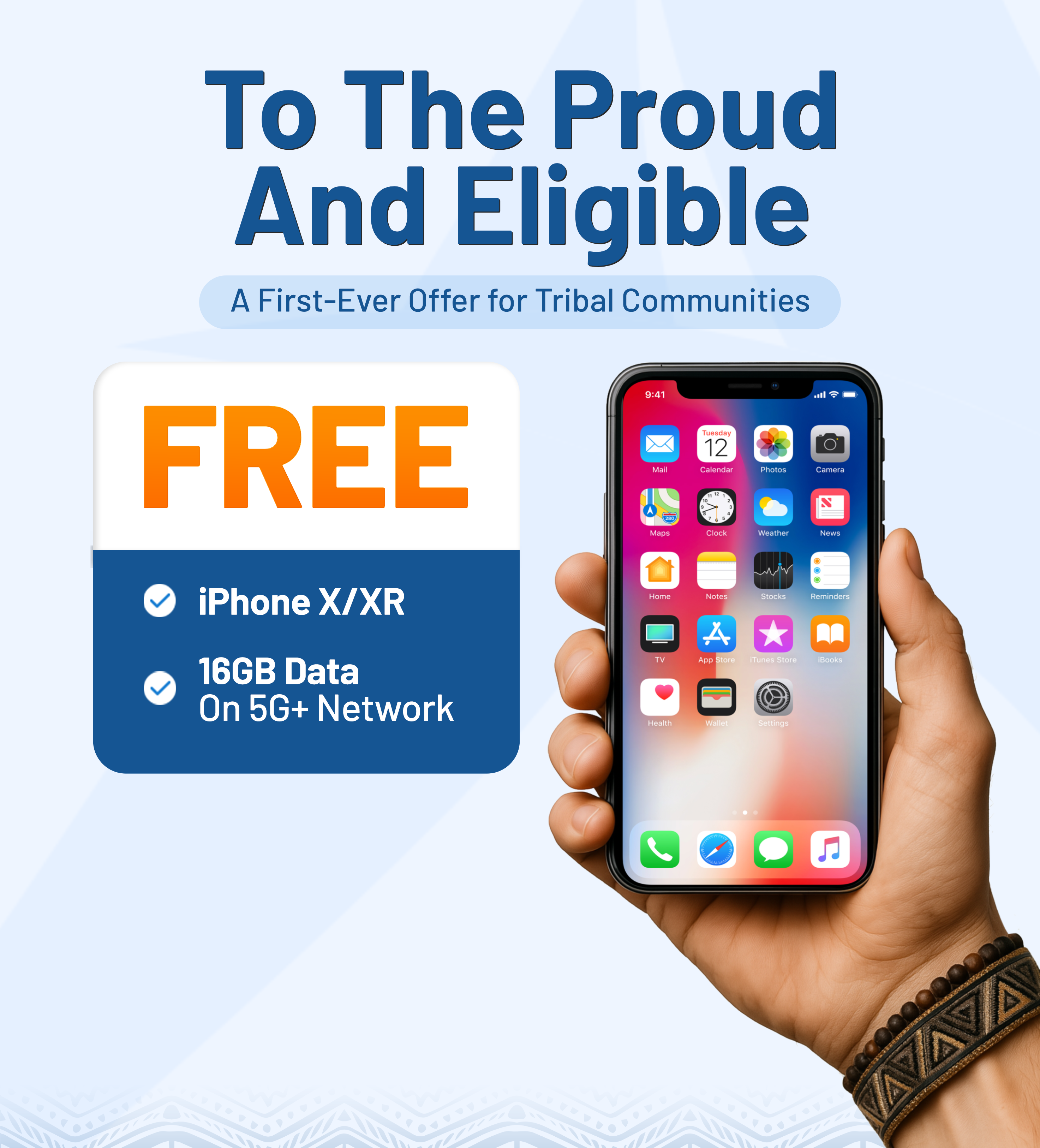
If applying for Lifeline through FCC-approved providers like AirTalk Wireless, eligible customers may also receive a free phone or discounted tablet, depending on availability and program rules.
For renters applying for affordable housing in Miami, Lifeline-supported phone service helps maintain consistent communication during long application timelines. With active phone access, applicants can receive housing updates, respond to verification requests, and remain reachable throughout the process.
How to Apply for a Free Lifeline Phone Through AirTalk Wireless
AirTalk Wireless is a federally approved Lifeline service provider that helps eligible low-income Miami residents enroll in phone service through the Lifeline program.

Seniors and low-income renters can apply for Lifeline phone service through AirTalk Wireless by following this process:
- Start on the AirTalk Wireless website to begin your Lifeline enrollment
- Enter your ZIP code, then review available plans and free smartphone options
- Verify eligibility using qualifying programs such as SNAP, Medicaid, or income-based criteria
- Submit required eligibility documents if requested
- Finish the application and wait for confirmation once the review is complete
This approach helps applicants complete enrollment smoothly while staying compliant with Lifeline verification rules.

IMPORTANT: The government does not subsidize devices. Lifeline programs cover basic service costs only. Free or discounted devices, upgrade plans, or top-ups are exclusive benefits provided by AirTalk Wireless as part of our promotional offers. Terms and conditions apply. Limited-time promotion—offers vary by state, stock availability, and eligibility.
>>> Read more: Free Phone Miami: Does Florida Give Out Free Phones?
Conclusion
Finding low income apartments Miami requires understanding local housing options, application timelines, and income rules in a highly competitive rental market. Many renters lose opportunities not because they are ineligible, but because they miss follow-ups or application updates. Staying connected during long waiting periods plays an important role in keeping applications active. With support from the Lifeline program and phone access through providers such as AirTalk Wireless, renters can improve their chances of securing affordable housing in Miami.
FAQs
How much is low income in Miami?
Low income is defined using household income limits tied to the Miami area’s Area Median Income (AMI). The exact threshold depends on household size and the housing program being applied to.
Are low income apartments Miami FL hard to get?
Yes. High demand, rising rents, and limited affordable housing supply often result in long waiting lists and competitive application processes.
- Share This:
-
-
-
-
-
-
-
-
New on AirTalk Wireless


How to Speed Up a Video on iPhone: 3 Simple Methods

How to Loop a Video on iPhone, Yours or One From YouTube
